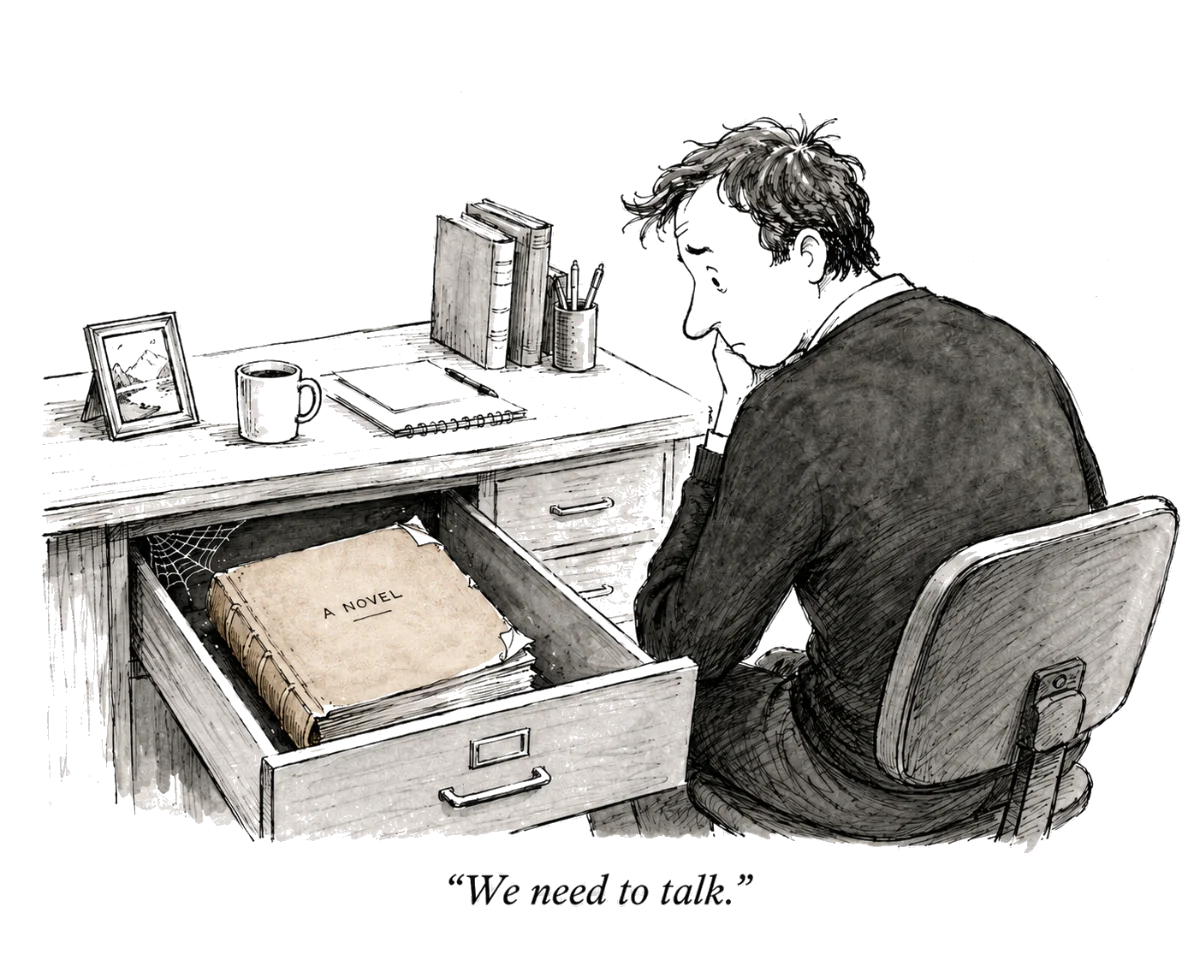
It reads the whole novel. Then it investigates it.
Novel Maestro reads your complete manuscript the way a developmental editor would: looking beyond individual sentences to understand the characters, structure, pacing, promises and cause and effect of the book as a whole.
But it can also do something no human editor could practically do by hand: analyse thousands of details across the manuscript simultaneously, trace patterns from beginning to end, measure what changes from scene to scene and test its conclusions against the actual text.
Then it brings all of that back together into an editorial judgement you can understand, inspect and act on.
And when you revise, it reads the novel again.
Your entire draft · About ten minutes · No credit card
Give it the book
No synopsis, no outline, no chapter tagging, no clever prompt. Upload a .docx, .txt, .epub, .pdf or .md file, or paste the text straight in.
Novel Maestro starts where a good editor starts: with the manuscript, and the question of whether it can understand the novel you actually wrote.
It takes the book apart
Every chapter is mapped and every scene analysed on its own terms — what happens, who is present, who wants what, what stands in the way, what's at stake, what changes, which threads move forward, how the scene behaves dramatically.
By the end, a 90,000-word novel is no longer one undifferentiated block of text. It's a structured account of what happens, where, why and because of whom.
Then it puts it back together
From those scenes it builds a working model of the whole book: characters, relationships, threads, themes, structure, cause and effect.
The difference between a model and a summary matters. A summary knows that A happens before B. A model can ask whether B actually follows from A, whether your protagonist is still driving events by chapter twenty, or whether a subplot vanishes for eighty pages and then turns out to be load-bearing. Everything that follows rests on that whole-book understanding.
It works out what kind of novel it's reading
There is no single correct shape for a book. A thriller shouldn't move like a quiet literary novel, and a romance makes different promises from a mystery. So Novel Maestro draws on more than 1,400 craft rules and conventions covering 106 genres, character arcs, structural patterns, story engines and genre-sensitive pacing.
None of it is scripture. A convention can be kept, bent or broken outright. What matters is whether the choice serves the book you meant to write.
It checks that it understood you
Before passing judgement, it reflects back its reading of the essentials — your cast, your genre, your tone, your central question, the promise your opening makes to the reader, your themes. If it has misread something, you correct it.
Criticism is only useful if the critic understands what the work is trying to do. The point is to judge your book against your book, not against somebody else's template.
Then the investigation begins
Now come the harder questions. Who is driving the story? Where does the protagonist stop making choices? Where does tension rise, and where does it flatten? Which promises are kept and which threads quietly dropped? Does the climax grow out of what came before, and does the ending deliver what the opening taught us to expect?
Different passes examine different parts of the problem. Across a complete read, around 175 analyses contribute evidence, with thousands of scene-level observations underneath them. Only then does Novel Maestro form a view.
It looks for causes, not symptoms
Finding problems is easy. Finding the problem behind the problems is the hard part.
The middle may drag because the protagonist quietly stopped making consequential decisions. The ending may feel thin because a promise planted in chapter three was never developed. Three apparent character problems may turn out to be one relationship problem.
Which is why Maestro's First Take doesn't bury you in notes. It leads with Your One Thing — the observation most likely to unlock the next draft — followed by a clear first move and a short list of priorities. The useful question was never what could I change? It's what should I change first?
And it shows its working
Findings are anchored in your pages, and each of the fourteen diagnostics arrives as an interactive infographic along with a detailed report — showing the shape of the thing you’re being told about, drawn across the whole book. Click any point on it and the scene underneath opens.
So if it says a character goes passive, you can see where. If a thread disappears, you can trace it. If the tension drops, you can read the chapters where it fell.
Nothing has to be taken on faith. And if you disagree, you remain the final authority. It's your novel.

The Ensemble
Who dominates, who disappears, and whether each character earns their presence on the page.
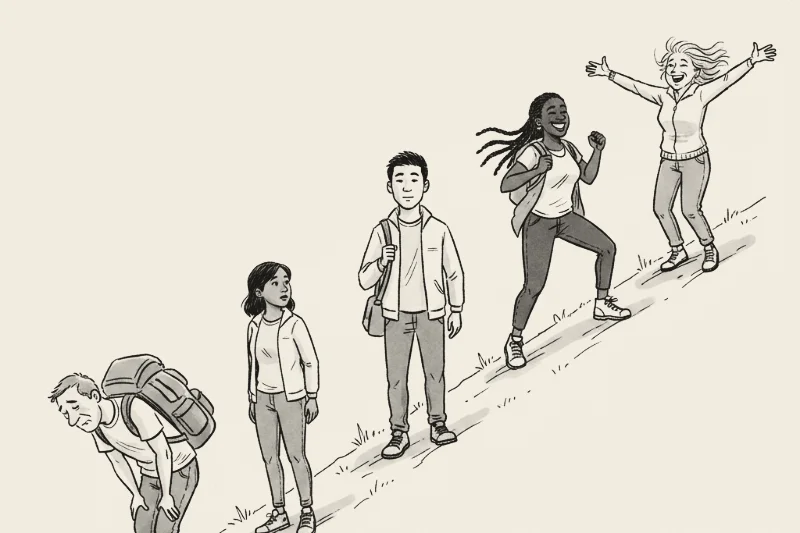
Character Arcs
Each character's transformation tracked across eight dimensions, showing exactly where an arc stalls.
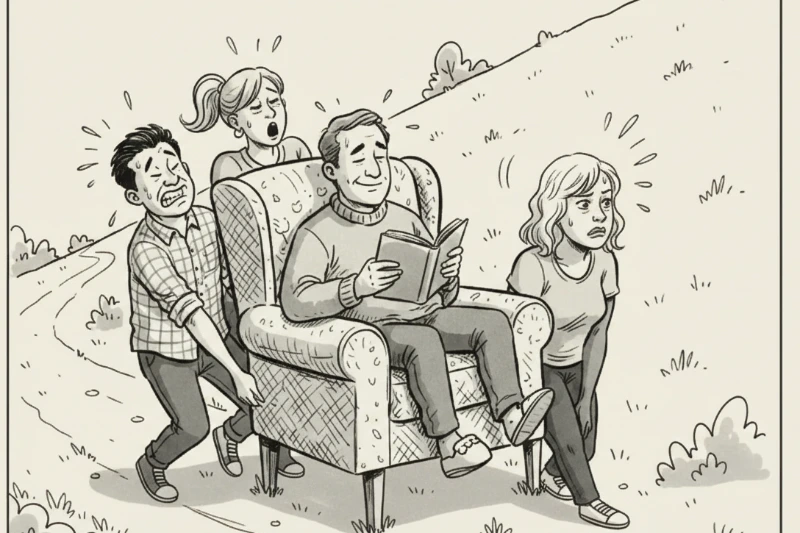
Character Agency
Are your characters driving the story or reacting to it? Finds the passive stretches.
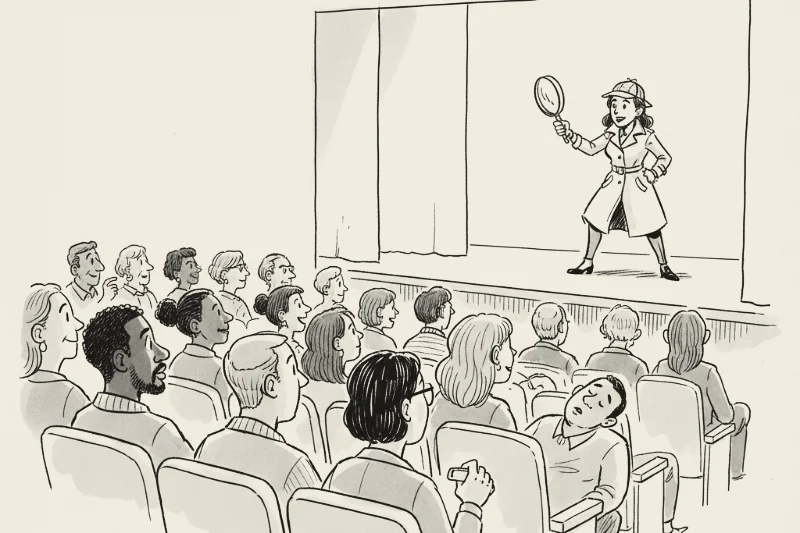
Genre Promises
Which conventions your book keeps, bends or breaks — and a way to mark the deviations you meant.
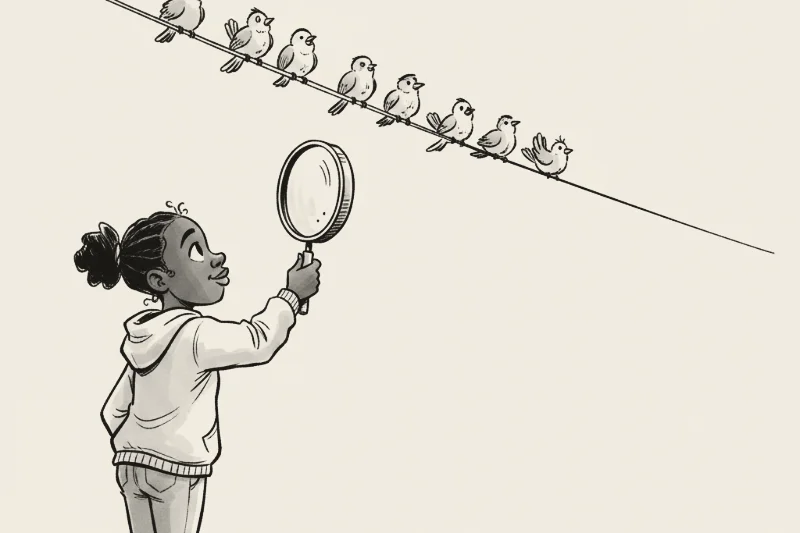
Motifs
The recurring images and symbols threading through the draft, and whether they pay off or fade.
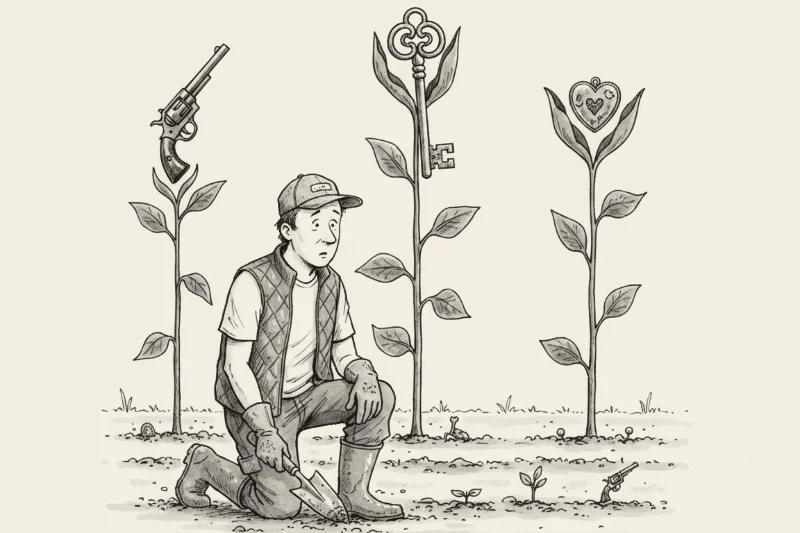
Setups & Payoffs
Every planted detail matched against its resolution. Finds the promises you forgot.
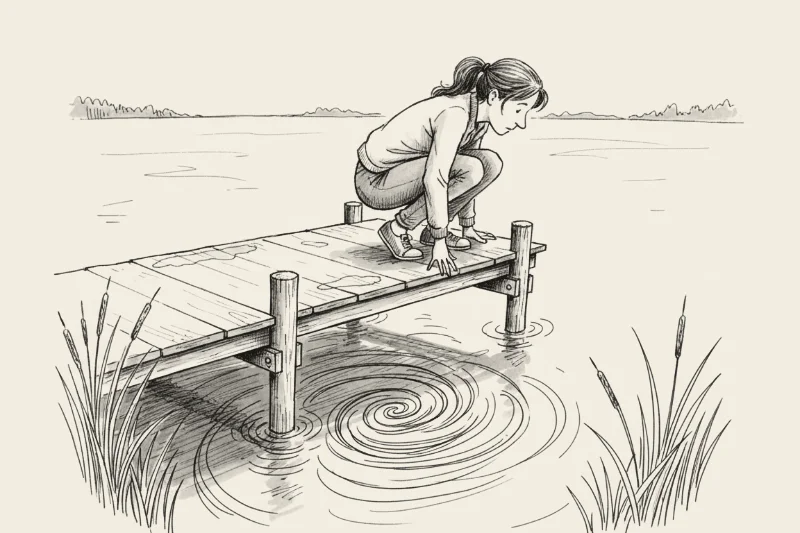
The Value Arc
What each scene wins or costs on the one thing your book is about, measured against the shape your genre expects.
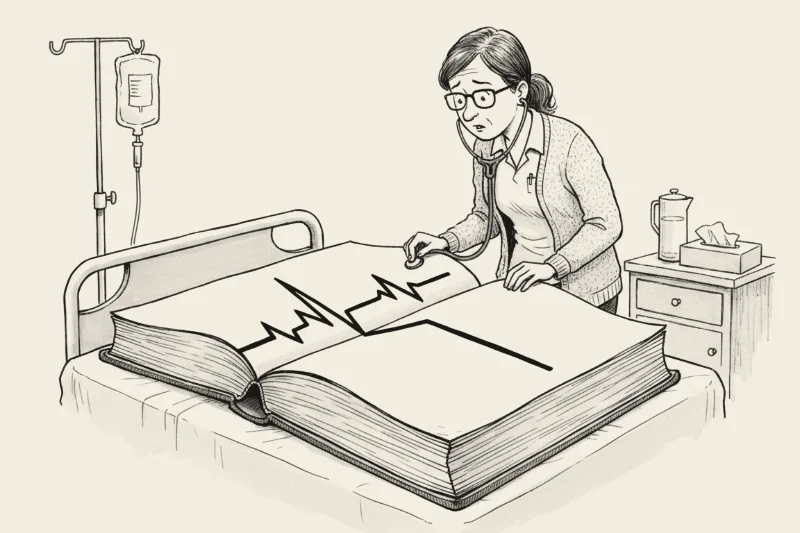
Narrative Pulse
The emotional architecture of the book, scene by scene, across six dimensions.
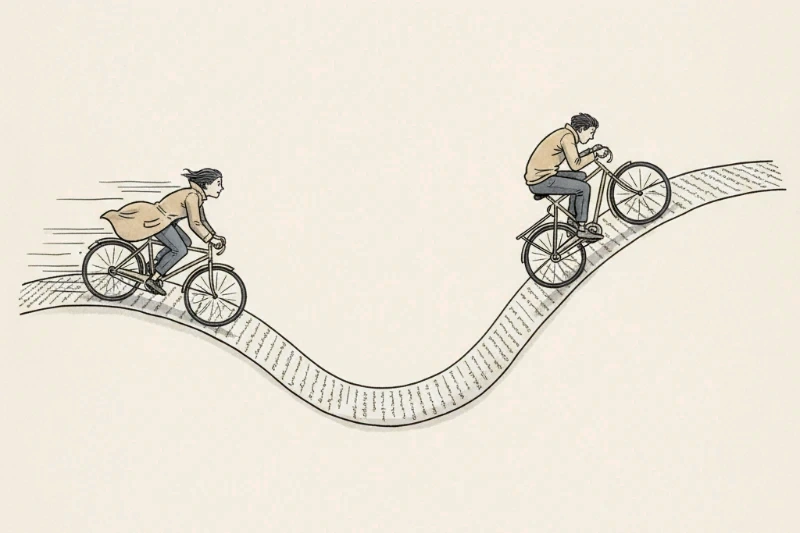
Momentum
Where the book rushes a pivotal moment and where it lingers too long.
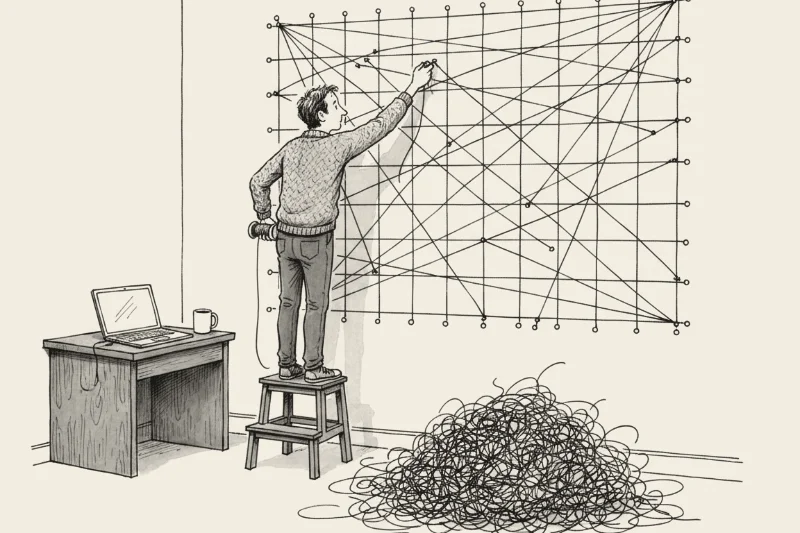
Thread Browser
Every narrative thread's health, peak moments and presence, at a glance.
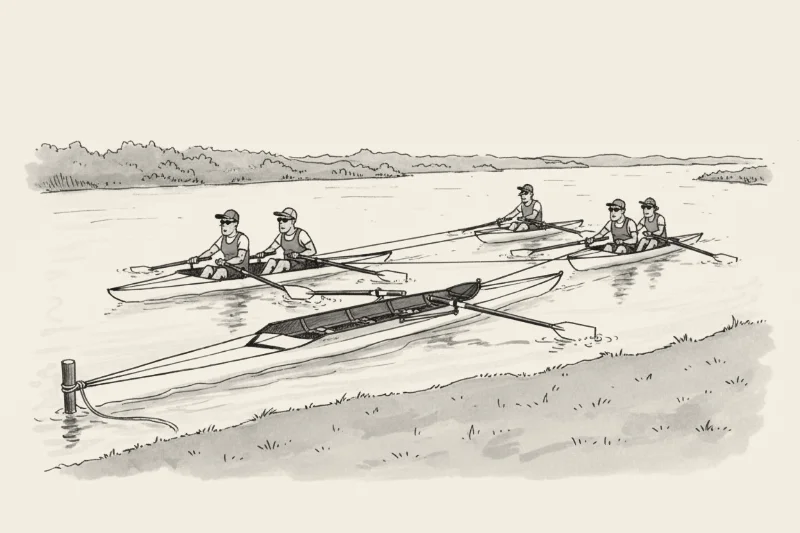
Subplots
How your secondary threads interact with the main line: which overpower, which get dropped.
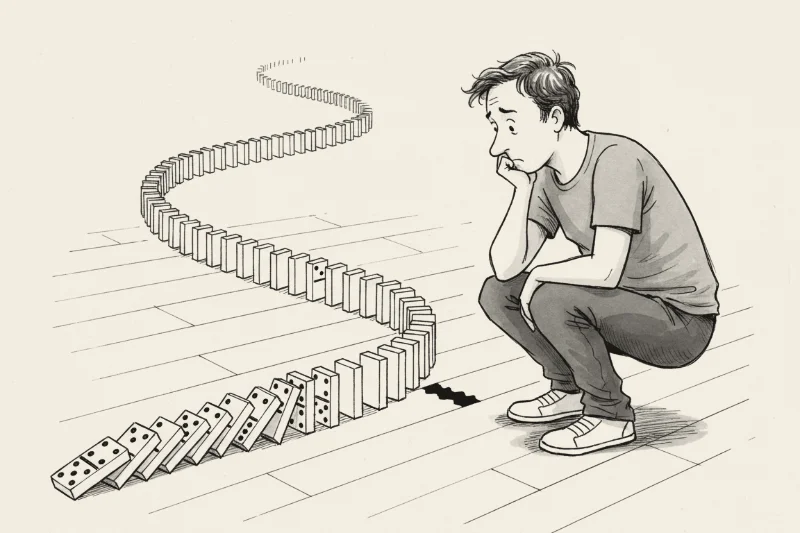
Cause & Effect
The causal chain between scenes, and where events start feeling coincidental.
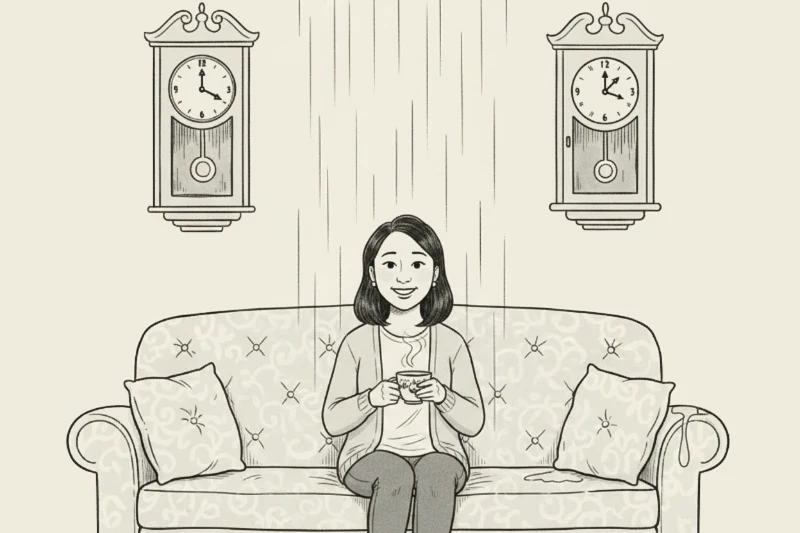
Continuity Check
Factual contradictions, timeline slips and broken world rules, caught before a copy editor finds them.
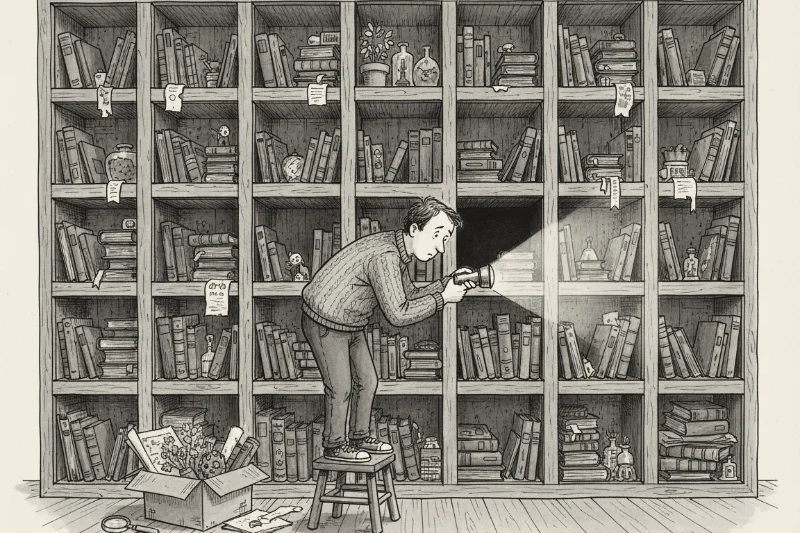
The Scene Ledger
One row per scene. The empty cells are the finding: scenes that inform but change nothing.
Then it hands you the tools to do the work
The diagnosis becomes a sequenced revision plan, with each priority turned into a tracked task — so you always know what to tackle next. If you get stuck, ask Maestro about any finding or scene to pressure-test ideas, explore alternatives and work out what the scene needs to do, without handing over the writing.
Your manuscript, tasks, notes and scene intelligence all live together. Everything stays attached to the relevant scenes and characters, while each scene carries its own context — purpose, conflict, stakes and cast — so the information you need travels with the page you’re editing.
Then you change the book, and it reads it again
A traditional editorial report describes one version of a manuscript. But move one part of a novel and something else tends to move with it.
So when you've revised, Novel Maestro reads the complete book again. It knows what changed, but it doesn't look at those scenes in isolation — it asks what the changes did to the whole novel. Did the problem improve, disappear, or simply relocate? Did fixing one thing disturb another?
Then you revise again, as many times as the book takes.
And then you send it out
Export your finished novel as a clean reading copy or in standard manuscript format, ready for agents and editors. Every diagnostic and report can also be saved as a polished PDF, individually or together, with every read archived in your report library.
When you’re ready to submit or publish, Novel Maestro drafts your synopsis, query letter and back-cover blurb from the book it has actually read — for you to refine. The goal is simple: get the novel out of the drawer and into the world.
The method
Understand before judging. Diagnose before prescribing. Show the evidence. Read the book again once it has changed.
Not a chatbot with an instant opinion on 90,000 words, and not a machine writing the novel for you. A reader that takes the whole book seriously and can show you where every conclusion came from.
Ten minutes from now, you could know where to start.
Upload your manuscript. Novel Maestro will read the complete novel, work out what kind of book it believes it is, identify the issue that matters most and show you the evidence in your own pages.
What you do about it is up to you.
Your entire draft · About ten minutes · No credit card · Never used to train public models