
Everything you need to get your manuscript ready for the world.
Upload your manuscript once. Novel Maestro studies every word and then gives you the guidance and the tools to make it the best it can be — scene by scene, decision by decision.
No card required. Your first read is free.
Ten things Novel Maestro can do
Read the transcript
What happens when you upload your novel to Novel Maestro?
For starters, it reads the entire book — studying its characters, scenes, storylines, structure, setups and payoffs across scores of analytical passes.
It assesses the manuscript against more than 1,400 rules of storytelling craft and over 100 genres. And it measures every scene for conflict, tension, stakes and many other indicators.
Next, it turns your manuscript into a smart workspace, divided into scenes, each with its own Scene Intelligence.
Look beneath the surface of the action to see the anatomy of each scene, the undercurrents driving the narrative, and the inner lives of your characters — their wants, needs, wounds, flaws and more.
You can also access revision tasks pinned directly to the passages they relate to.
Maestro’s First Take gives you the big picture across your entire novel: what’s working, what isn’t, and the single issue most worth your attention.
This free review reflects back key insights — from your novel’s genre and voice to the central question at the heart of your story.
And if something doesn’t read as you intended, just say so. Novel Maestro will recalibrate its thinking.
The Developmental Report goes deeper: a detailed editorial assessment of the kind a professional developmental editor might charge thousands for, together with a clear roadmap for the rewrite ahead.
Fourteen deep diagnostics let you investigate your novel from almost every developmental angle — from character arcs and subplots to narrative pulses and momentum.
Each diagnostic comes with detailed analysis and practical revision ideas.
Ask Maestro about any problem to diagnose it, challenge it, explore alternatives or strengthen what’s already there.
You can ask about anything from a single character or scene to the entire story.
Turn any feedback into a revision task, with the original finding, recommendation and relevant passage attached.
Organise your tasks on the Revision Board, then click straight through to the passage in question and edit your manuscript with your notes at your fingertips.
Beta Readers show you how different kinds of readers may actually experience your novel, with detailed feedback on what works, what doesn’t and where they may struggle.
And as the manuscript changes, Novel Maestro can read it again — so the feedback evolves with the book.
Finally, when you’re ready, export your manuscript along with publishing assets such as a blurb and synopsis, and take your next draft wherever you want.
One manuscript. A whole new way to rewrite it.
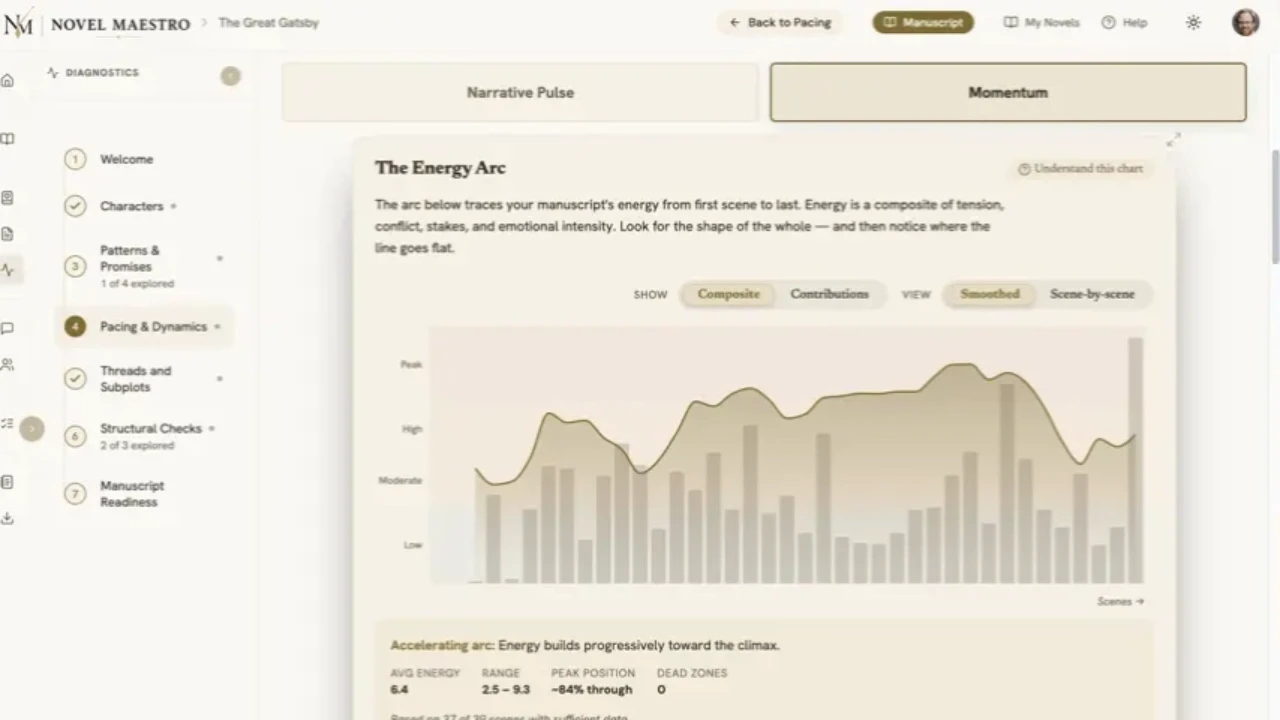
A smarter workspace for editing your novel.
This is where you do the writing and editing. Your manuscript arrives split into conveniently titled scenes but reads as one continuous document. Edit inline with autosave, split or merge scenes, add chapter breaks, drag scenes and chapters into a new order, and undo any structural change. Focus mode strips everything back to just the prose.
Everything in My Manuscript is free, except Scene Intelligence. And wherever you are in Novel Maestro, feedback links straight back to the exact passage that prompted it — highlighted and ready to edit.
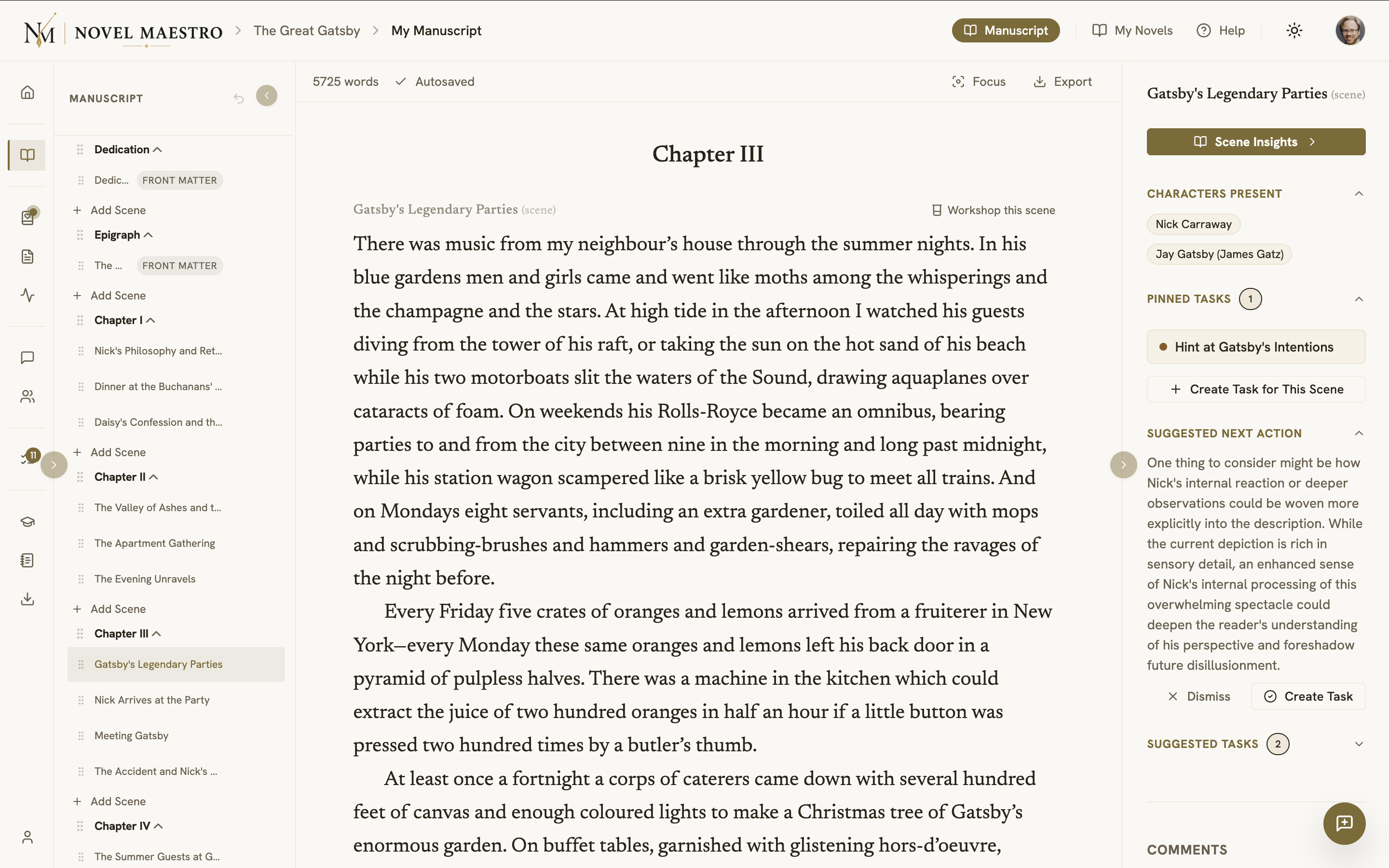
Scene Intelligence
Full AccessScene Intelligence sits beside your prose, keeping everything about the scene you're editing in one place — and keeping up as you change it:
- Scene Insights: synopsis, POV, purpose, conflict, stakes, emotional shift and threads advanced.
- Character Insights: Inner drivers, character arcs and more.
- Suggestions & Tasks: recommended next steps and all tasks pinned to the scene.
- Comments & Notes: annotations anchored directly to the relevant passage, with one-click navigation between comment and prose.
- Live re-reading: change the scene and Maestro reads it again by itself, refreshing the scores and suggestions against your new draft — no button, no full re-read.
These update themselves as you revise.
See your novel through a professional editor’s eyes.
Upload the draft and Novel Maestro reads the whole thing — then hands you a first take in twelve steps, in the order a good editor would give it. Not a score. Not a list of 200 line notes. A considered response to the book you actually wrote, delivered to ease you into the edit.
All twelve steps below are included in your free First Take. One full manuscript read per free account, no card required.
Each step is interactive. If there’s a disconnect between what Novel Maestro inferred from the text and what you intended, say so — and every later analysis recalibrates around your intention.
Your manuscript, under the microscope.
The document you'd pay a developmental editor four figures and wait six weeks for.
Where the First Take orients you, the Developmental Report gives you the full editorial assessment: a plain-English verdict of several thousand words, grounded in your manuscript.
It then turns diagnosis into action with sequenced revision priorities, dangling threads, scenes lacking purpose, deeper diagnostic areas, and more. After every major revision, re-run the report to see how your changes are landing.
Fourteen ways to look at your novel.
Every diagnostic runs on your full manuscript, produces an interactive chart or a table you can actually read, and grounds every observation in a quoted passage you can click through to. They're organised the way an editor thinks — by what you're worried about.

The Ensemble
Who dominates, who disappears, and whether each character earns their presence on the page.

Character Arcs
Each character's transformation tracked across eight dimensions, showing exactly where an arc stalls.
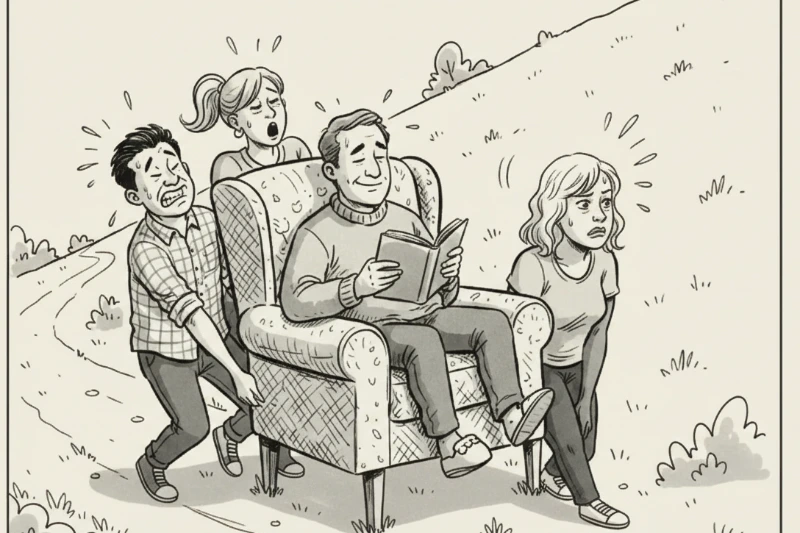
Character Agency
Are your characters driving the story or reacting to it? Finds the passive stretches.
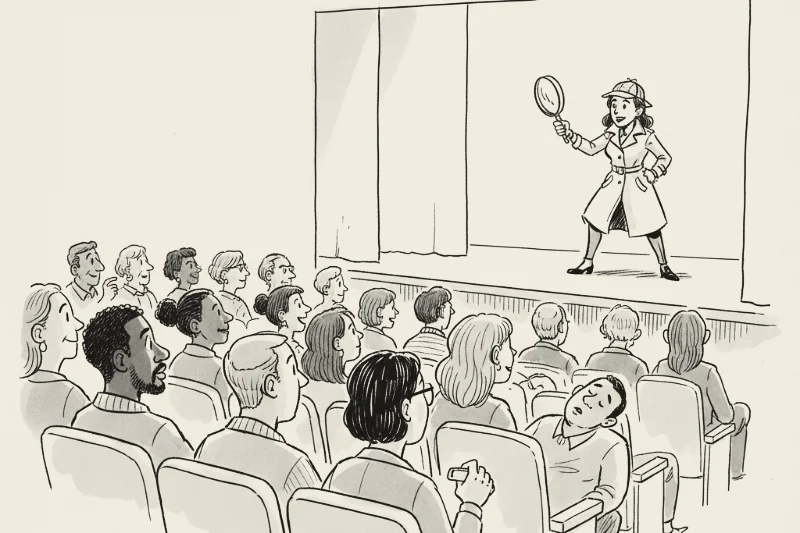
Genre Promises
Which conventions your book keeps, bends or breaks — and a way to mark the deviations you meant.
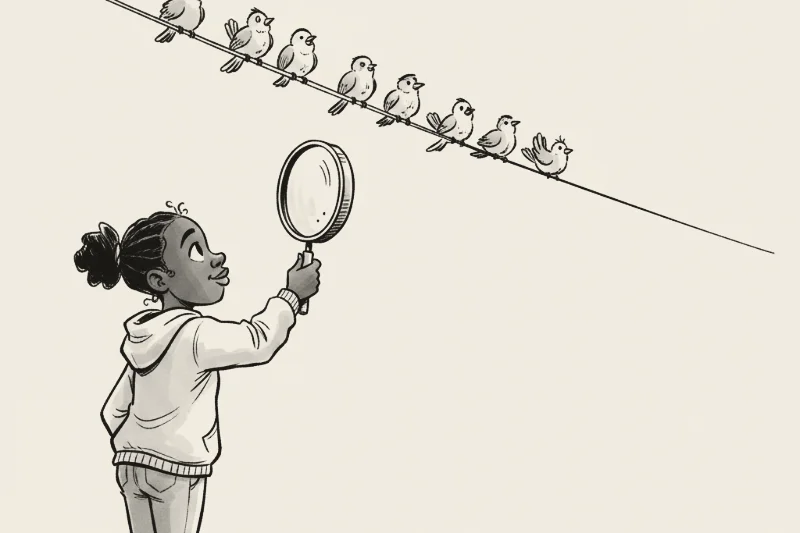
Motifs
The recurring images and symbols threading through the draft, and whether they pay off or fade.
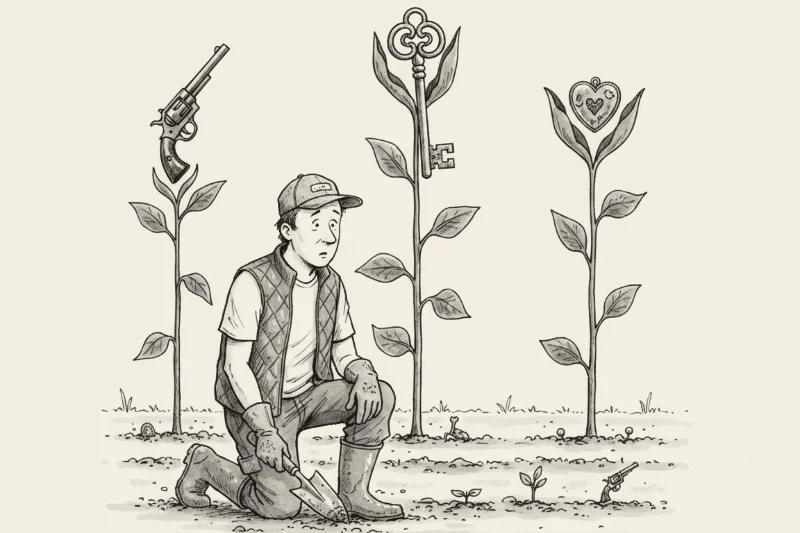
Setups & Payoffs
Every planted detail matched against its resolution. Finds the promises you forgot.
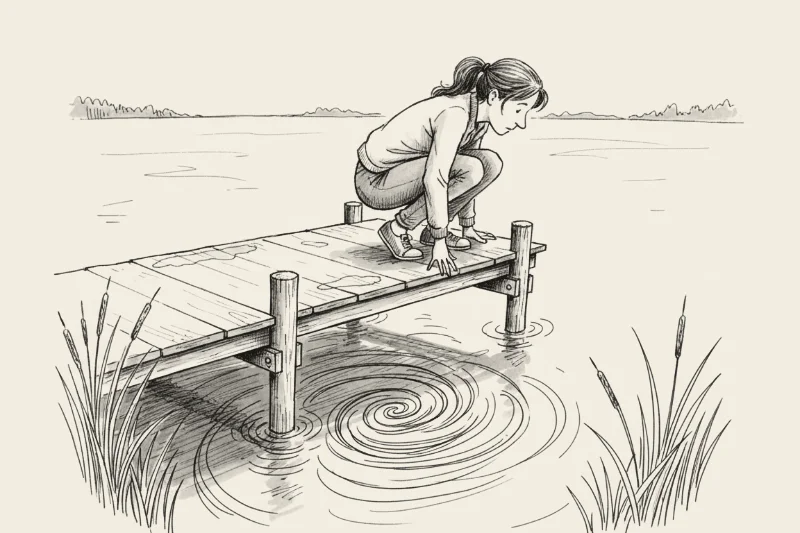
The Value Arc
What each scene wins or costs on the one thing your book is about, measured against the shape your genre expects.
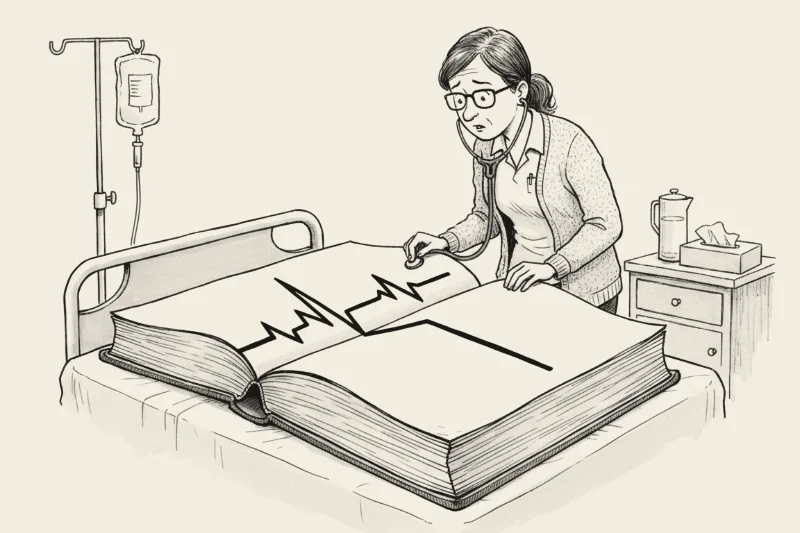
Narrative Pulse
The emotional architecture of the book, scene by scene, across six dimensions.
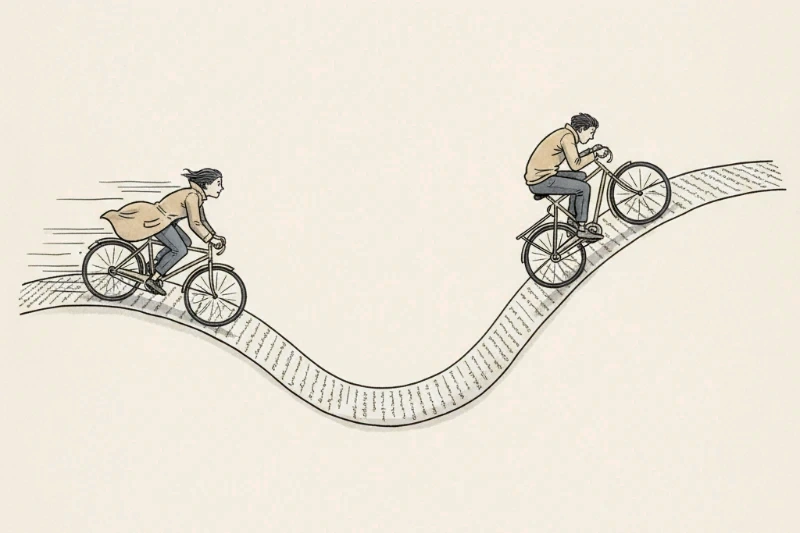
Momentum
Where the book rushes a pivotal moment and where it lingers too long.
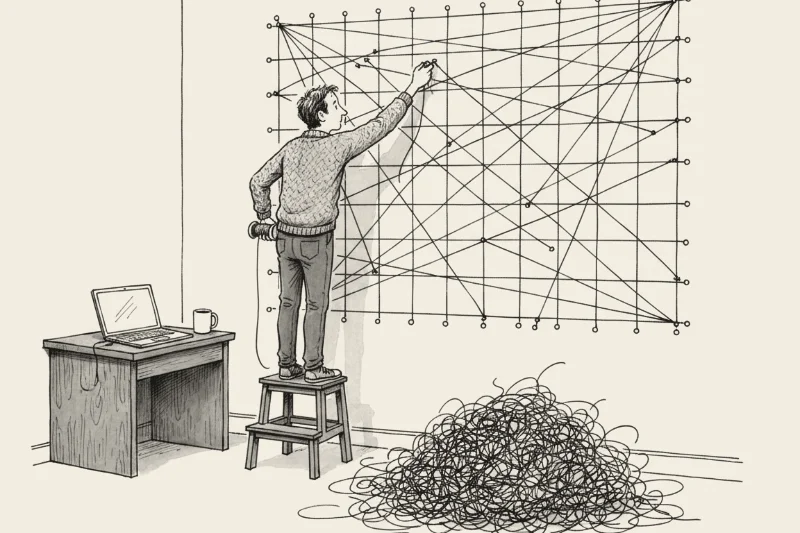
Thread Browser
Every narrative thread's health, peak moments and presence, at a glance.
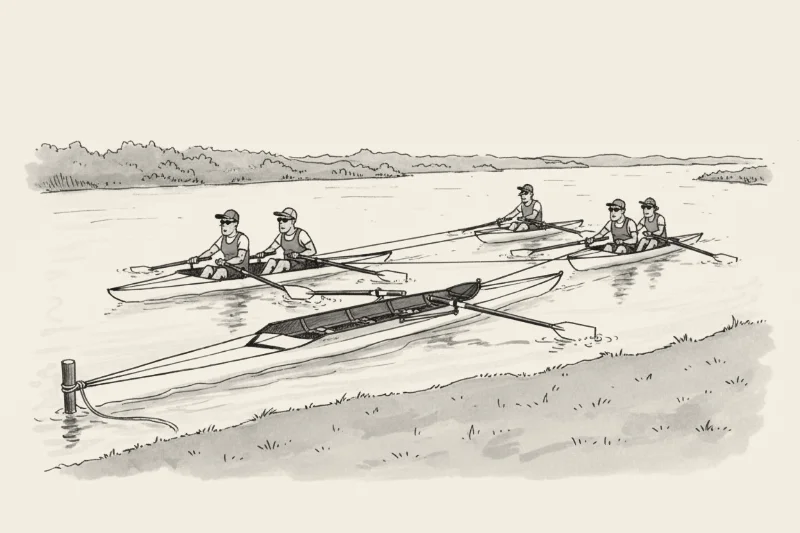
Subplots
How your secondary threads interact with the main line: which overpower, which get dropped.
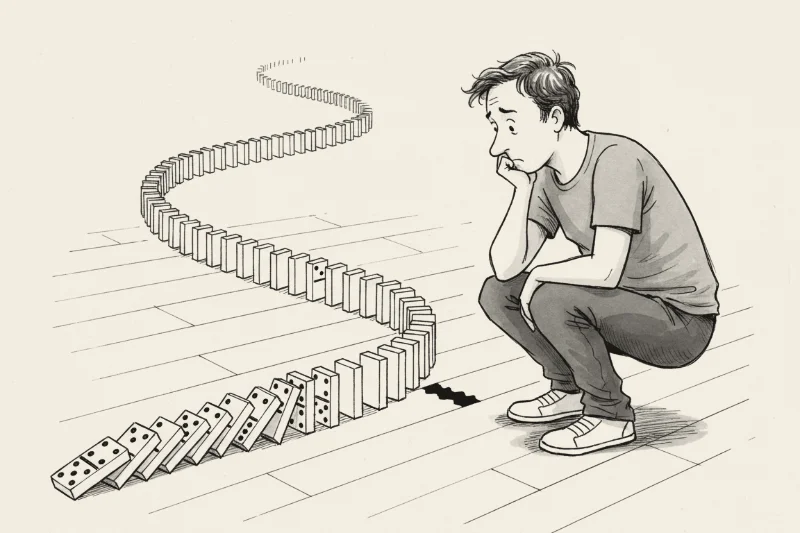
Cause & Effect
The causal chain between scenes, and where events start feeling coincidental.
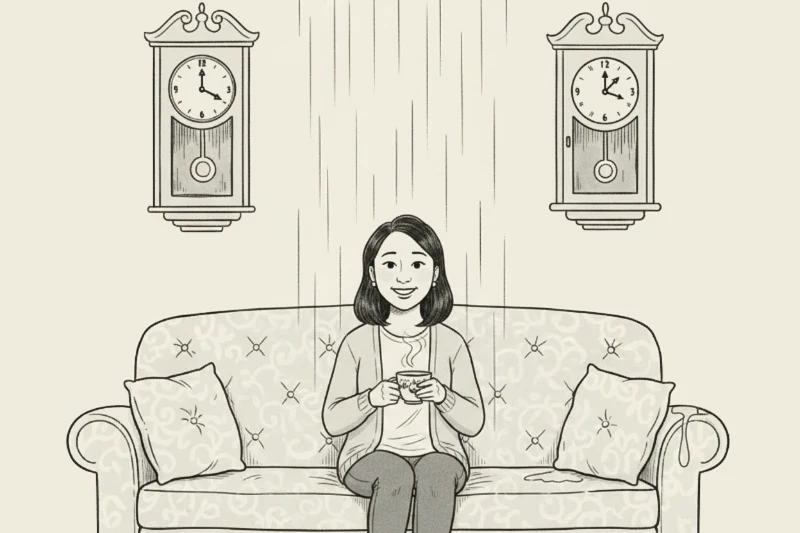
Continuity Check
Factual contradictions, timeline slips and broken world rules, caught before a copy editor finds them.
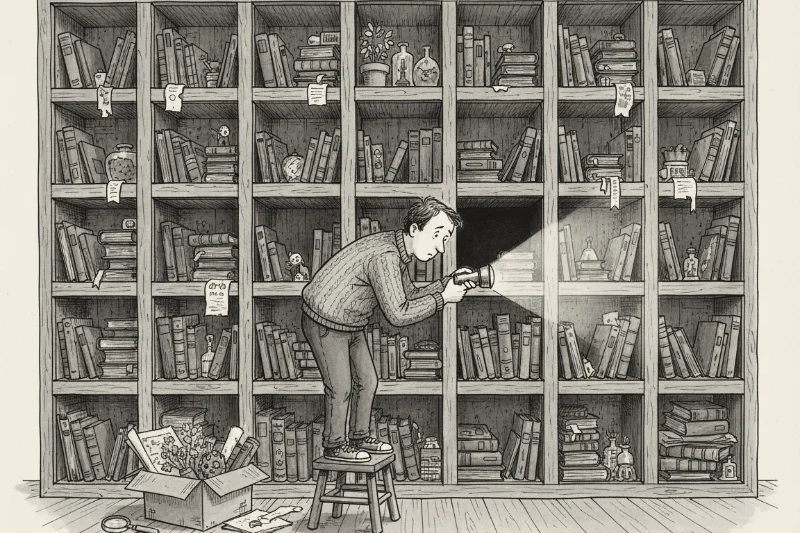
The Scene Ledger
One row per scene. The empty cells are the finding: scenes that inform but change nothing.
And when you think you're finished, Manuscript Readiness is the capstone: loose ends, unresolved questions, and an honest assessment of whether this is ready to send out.
Think it through with someone who's read every word.
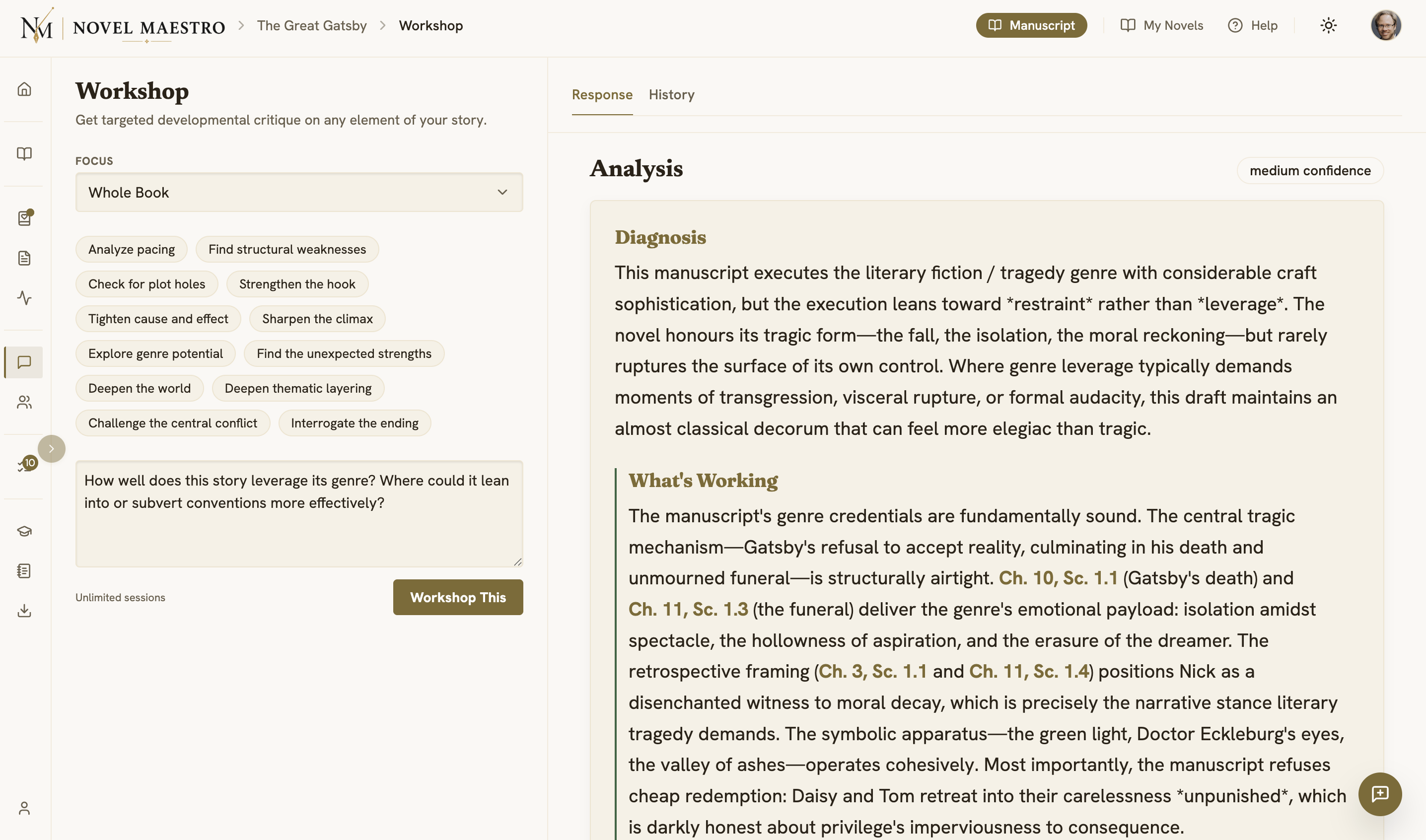
Some problems are better talked through than diagnosed. Ask Maestro about any part of your book — a scene, chapter, character, thread, theme or the whole novel — and the answer comes back with the actual manuscript in front of it, so the advice stays specific.
Every answer is a structured editorial response: what's working, what may be weak, the craft principle underneath it and concrete revision options. Turn any suggestion into a tracked task, and come back to anything you've asked before.
Six readers. Six verdicts. One useful argument.
A panel of six distinct reading perspectives responds to your book. Each gives you a verdict in the language of their own role: the agent decides whether they'd request the full manuscript; the editor decides whether they'd champion it in an acquisitions meeting; the genre reader decides whether they'd recommend it.
They will disagree with each other. That's the point — where the pacing reader is bored and the character reader is moved, you've learned something no single opinion could tell you. Every reference points to the scene it came from. Export the whole panel as a formatted PDF report.
Literary Agent
Evaluates commercial viability, the opening hook, and pitchability.
Commissioning Editor
Evaluates whether they would fight for this book in an acquisitions meeting.
Avid Genre Reader
Focuses heavily on tropes, expectations, and promises being made within your specific genre.
First-Time Reader
Reads with fresh eyes, representing a general audience looking for clarity.
Character Empath
Deeply invested in emotional resonance, arcs, and authentic reactions.
Pacing Hawk
Gets bored easily; tracks momentum, tension, and where the narrative drags.
A revision plan you can hold in your hands.
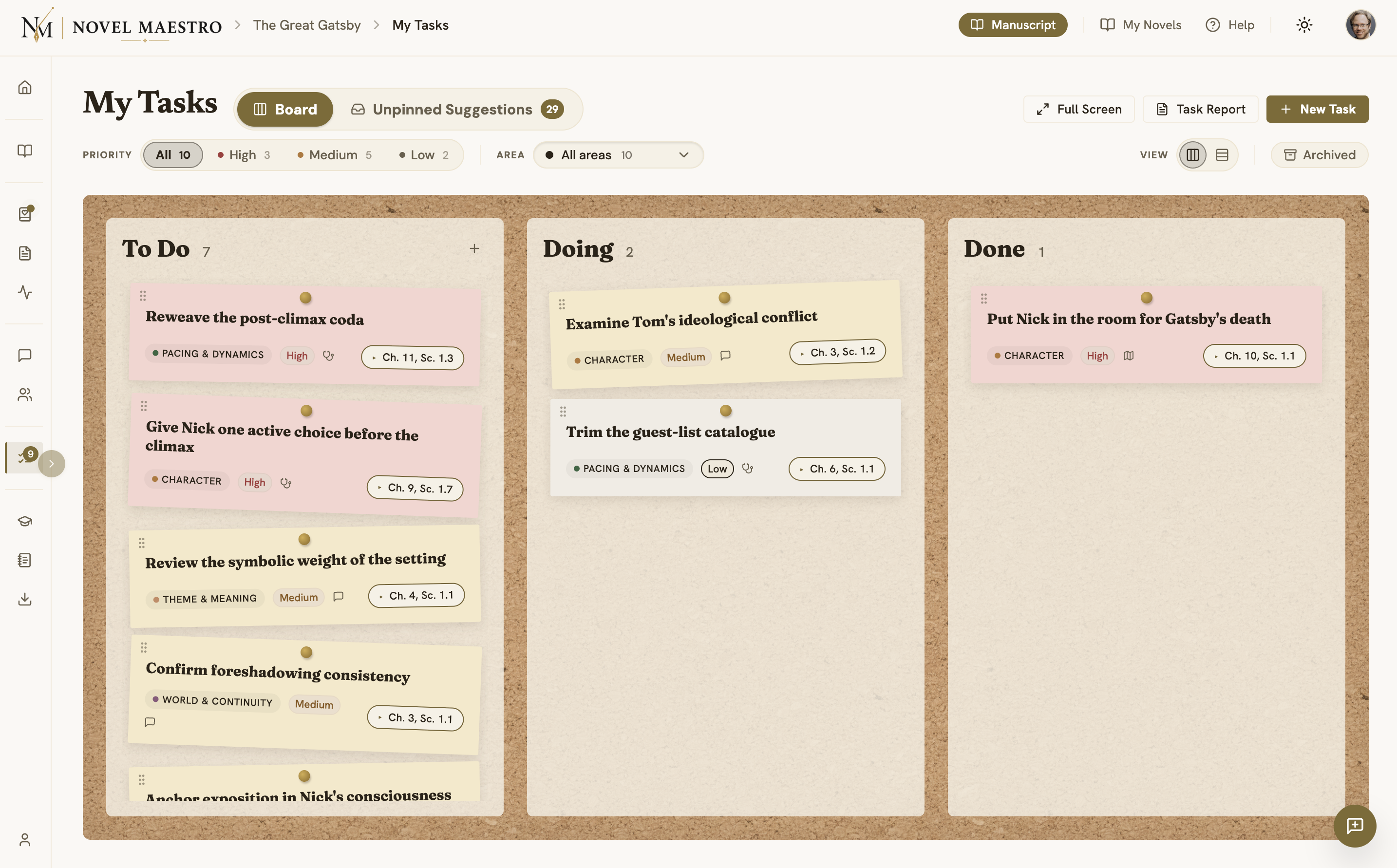
Every recommendation in Novel Maestro — from Maestro's First Take, Developmental Report, Diagnostics, Ask Maestro or your own notes — can become a task. Tasks appear as colour-coded cards on a board, moving from To Do to Doing to Done. Each keeps the original observation, recommendation and quote, with a direct link to the relevant passage and space for your notes.
When you finish a scene-linked task, Ask for a check and Novel Maestro will re-read the scene to see whether the issue is resolved, improved or unchanged. Tasks that pass receive a verified stamp, and you can export the full revision plan as a Task Report PDF.
Everywhere your research actually lives.
The map you sketched, the article about 1920s shipping lanes, the voice of a character you overheard on a train, the paragraph you cut but couldn't throw away. All of it in one library, attached to the book it belongs to — and, where it matters, attached to the exact scene it belongs to.
- Notes as ruled index cards you can colour, pin, tag and gather into collections
- Four library views: list, grid, compact, and a free-form pinboard where you can drag cards anywhere and save your layout
- Drag files straight into the library — documents, images, PDFs — and image attachments show a real thumbnail
- Paste a link and the note fetches its own title, summary and picture from the page
- Select a passage in the manuscript to make a note; the quote is stored with a direct jump back to that exact spot
- Link notes to a chapter, scene or character to browse them in the sidebar, or select many at once to bulk tag, colour, move or pin them
Learn the craft behind the findings.
A diagnostic tells you what is wrong in your book. A craft lesson tells you why it matters and how novels solve it. Novel Maestro carries a craft library of 61 lessons across 16 areas of craft, and it is free on every plan — there is nothing to buy.
Every lesson is a proper piece of writing, not a tooltip: the idea, why it matters, a deep dive, the ways it usually fails, a worked example, an exercise, and further reading. Five to six minutes each.
What makes it more than a reading list: most lessons carry a “See it in your own book” walkthrough for the diagnostic that measures them — where to look, what healthy looks like, the warning signs, and the next step — and an “Apply to your manuscript” block that finds your own weakest scene on that measure and quotes it back to you.
The aim isn't just to fix this draft. It's to build a writer who needs the tool less next time.
Out of the drawer, into the world.
The point of all of this is a book that leaves your desk. Export gives you the three things you need to send it: the manuscript itself, properly formatted; the analysis, as documents you can keep or share; and the copy that has to sell it before anyone reads a word.
Manuscript
Download or print your book as a clean reading copy, or in standard manuscript format for submission: 12pt double-spaced, one-inch margins, running headers, chapters starting on new pages, and an optional title page with your contact block and rounded word count. Export the whole book, selected chapters, or selected scenes as PDF or Word.
Reports
Build any diagnostic into a formatted PDF, individually, consolidated, or as a custom selection. Every read and developmental report is archived automatically into a Report Library you can re-download at any time — which means you can watch the book improve across drafts.
Publishing assets
Generate, edit and keep your blurb, your synopsis and your query letter, with length guidance for each and a copy or download button when they're ready.
Your manuscript belongs to you.
Projects are private by default. Your book is never used to train public models. Novel Maestro helps you develop your work; it does not write it, and it does not have opinions about your voice that you didn't ask for. It's a reader, a diagnostician and a very well-read second opinion — and the decisions stay yours.
Your first read is free.